Two live sessions a week
Classes run twice a week, live and interactive, held on GMT time. Miss one? Every session is recorded and available to rewatch at any time.
Submit a short application for review. We will review your application within 24-48 hours.



You leave with a completed, deployable AI project — not a toy tutorial. Something you built, can explain, and are genuinely proud of.
Projects are scoped and structured to meet the standards of international and regional science fair competitions.
Startup Track students learn what it means to take an idea to a demo-ready product — pitching, iterating, and shipping under real constraints.
Theory only sticks when it's applied. Every concept is immediately embedded in hands-on work on your own project, every week.
Your mentors have built, published, and researched across four continents. They bring perspective no single classroom can replicate.
Structured feedback sessions, abstract writing workshops, and mock presentations to prepare you for the stage — whatever the competition.
Work in a small team to design, develop, and demo a functioning AI product. From idea to live demo in eight weeks.
For students who want to go further under the surface. Individual projects, structured research papers, and one-on-one mentor support.
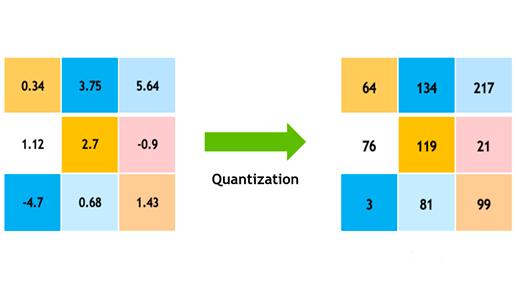
Compressing AI models to run on mobile and edge devices without cloud dependency. Benchmarked multiple post-training quantization methods measuring accuracy-vs-memory trade-offs on real hardware.
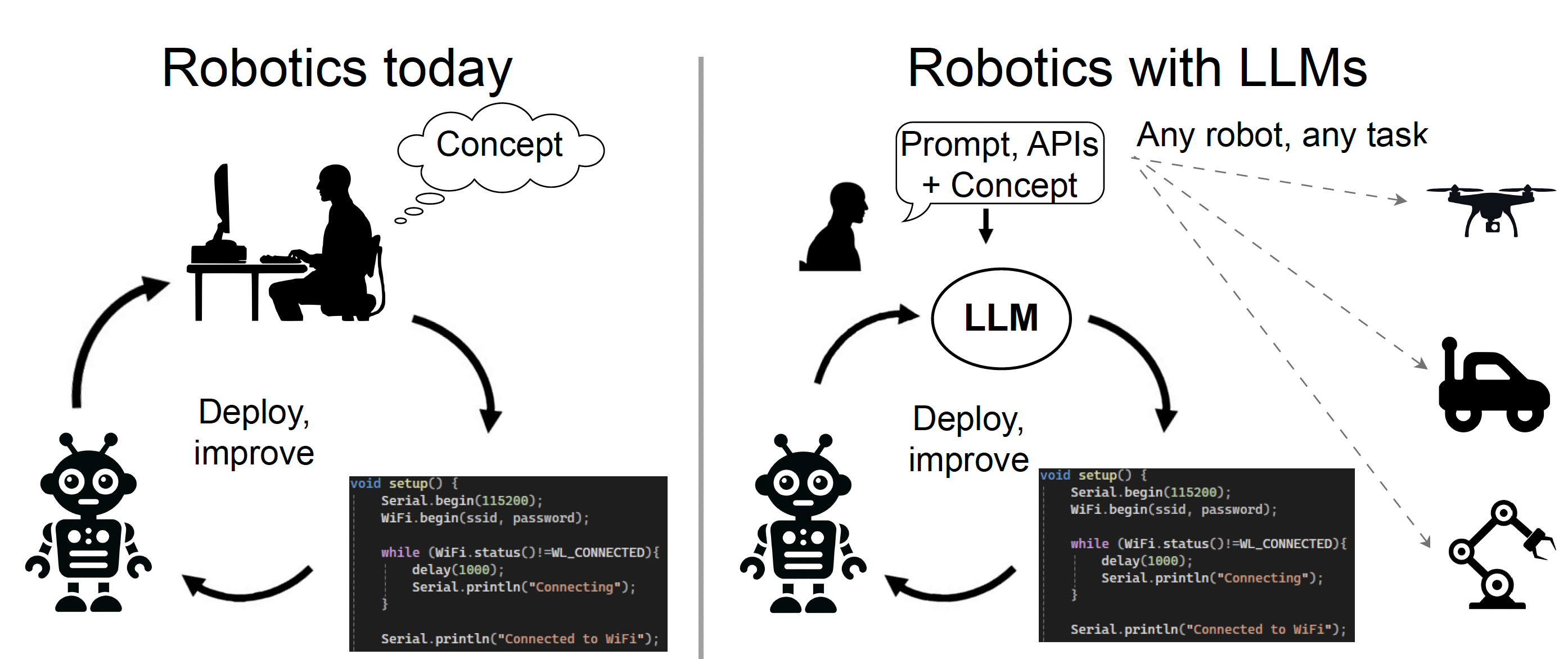
Plain English instructions translated into autonomous drone actions. VLM-based task planning with self-correction loops and real-time decision-making — no code required, just speak.
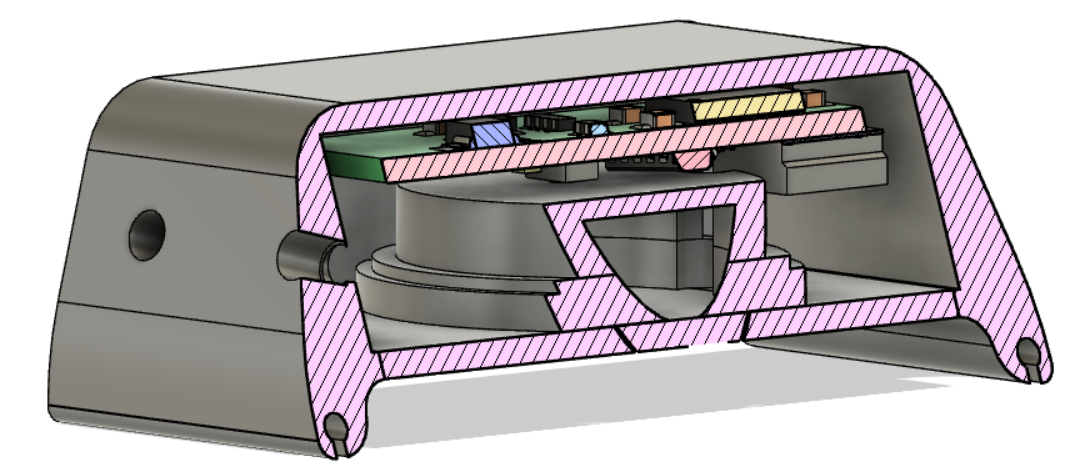
A 3D-printed ESP32 wearable tracking pulse, blood oxygen, and temperature. An onboard ML model detects early influenza symptoms and surfaces alerts via a live web dashboard.
Classes run twice a week, live and interactive, held on GMT time. Miss one? Every session is recorded and available to rewatch at any time.
Between sessions, students can reach their mentor anytime. Questions, roadblocks, feedback on work in progress — support doesn't stop when the call ends.
Every student receives a certificate of completion and a written mentor recommendation — specific to their project, not a template.
Students build a real, working AI system they can showcase in university applications and portfolios.
Not a certificate, but a tangible project demonstrating technical ability, problem-solving, and initiative.
Guidance from mentors with experience in research, competitions, and real-world product building.
Students learn how to clearly explain their work — a key advantage in university interviews and personal statements.
Projects are developed to a standard aligned with top universities and high-level competitions.
AI student at MBZUAI and Regeneron ISEF Finalist, with a Bronze Medal at the International Olympiad in AI. He has worked on advanced AI systems across robotics, vision-language models, and large language models, including projects developed with research institutes.
At AI Lab, he mentors students in building technically strong, competition-level projects from idea to implementation.
Founder of an AI-driven finance platform, securing over $500k in funding and credits. She has conducted research at King's College London and gained hands-on experience across data science, engineering, and product development. She has also built multiple real-world platforms, including a language learning initiative.
At AI Lab, she mentors students in developing AI-powered products from idea to execution, combining technical skills with real-world product thinking.
Mathematics and Computer Science student at Stanford University, with achievements across some of the world's most prestigious math and science competitions. She has represented Bulgaria at the European Girls' Mathematical Olympiad, earned recognition at Regeneron ISEF, and authored a published research paper.
She teaches advanced mathematics to high school students, preparing them for international olympiads. At AI Lab, she guides students in producing high-quality research and writing papers ready for academic journals.
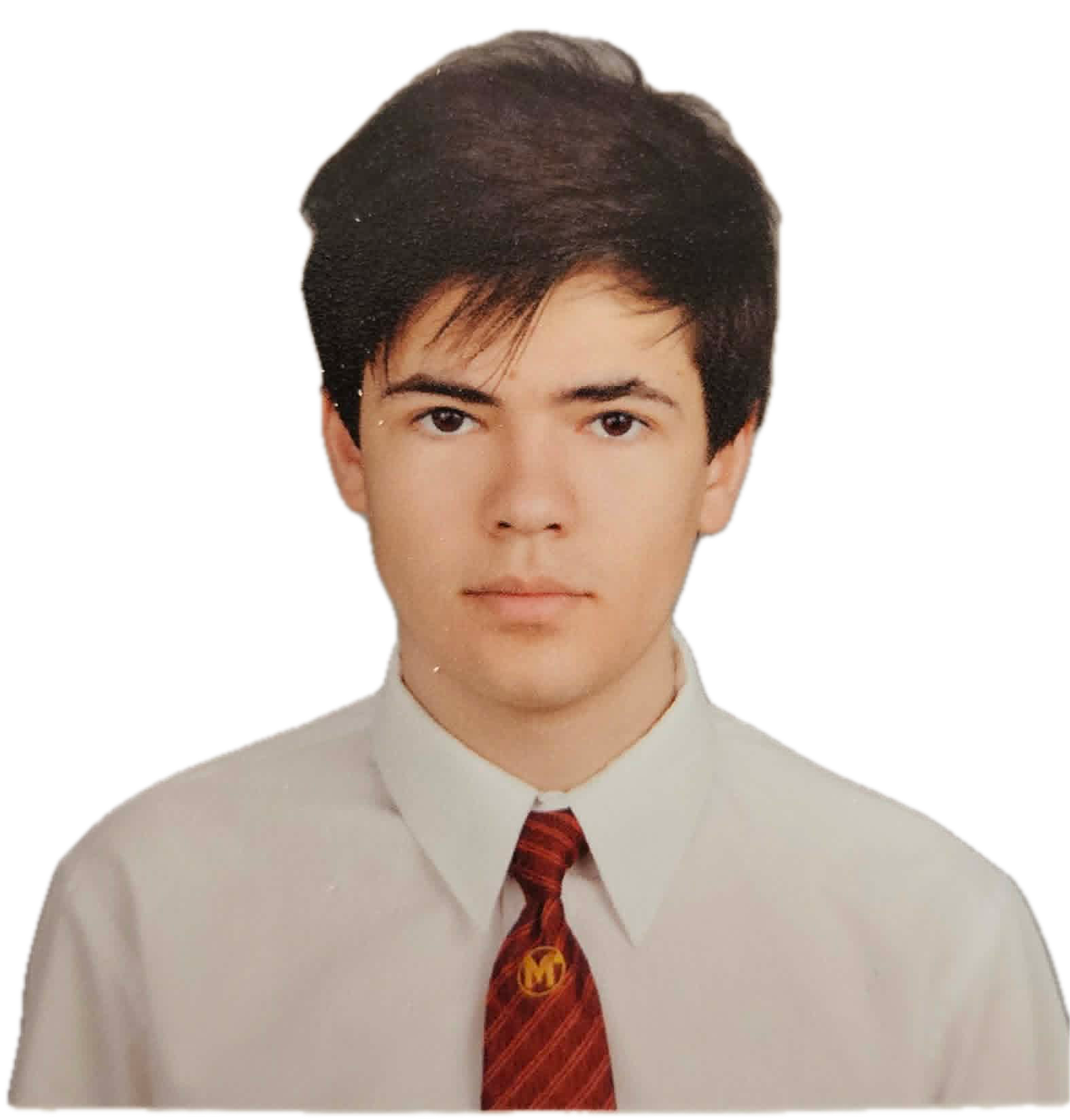
From an early age, he was actively involved in mathematics, computer science, and physics competitions, where he developed interdisciplinary research projects combining all three fields.
He is currently studying at TU Eindhoven, where he continues to expand this passion beyond academia, building on one of his research projects to found a company. His work reflects a strong drive to translate deep technical ideas into practical, real-world applications.
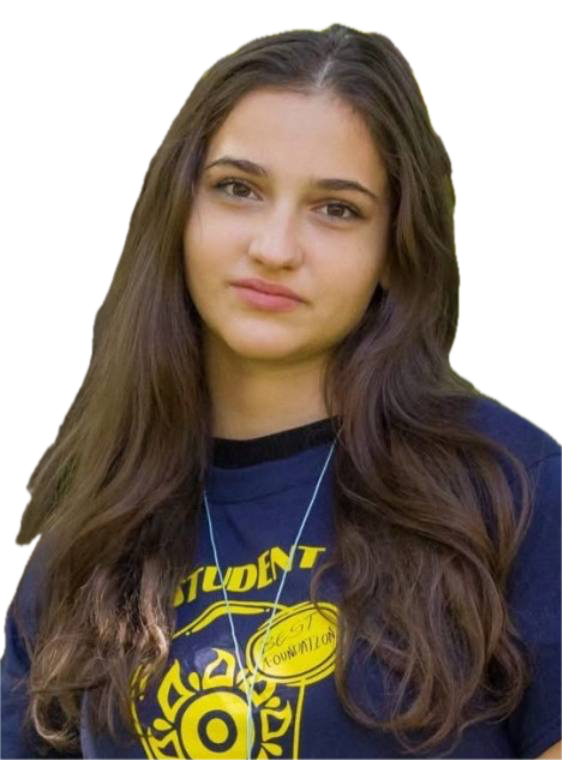
Diana Zhekova is a Mathematics and Computer Science double major at the University of Rochester. She has mentored student teams on advanced projects, guiding them through complex problems.
Her research experience includes analytic approaches to prime number distributions, geometric transformation invariants, and graph-theoretic modeling of networks. Diana is passionate about helping students build deep intuition and confidence in challenging mathematical topics.
"I built my first AI project from scratch and now have something real to include in my university applications. The mentors pushed us to think at a much higher level."
"Before AI Lab, my project idea was too broad. By the end, I had a clear research question, a working model, and a presentation I could actually defend."
"Our team went from a rough idea to a demo people could try. It was the first time I understood what building an AI product actually means."
"The best part was learning how to explain my work properly. My mentor kept asking why each choice mattered, and that made my final presentation much stronger."
"My daughter came out with a project she could show, not just a certificate. More importantly, she became confident explaining what she built and why it matters."
"My son used his AI Lab project in two summer program applications. It gave him something specific to talk about beyond grades and activities."
Apply for review, select the preferred track, and tell us what the student wants to build. Expected commitment is 4-6 hours per week.